|
|
 |
|
|
|
| |
| |
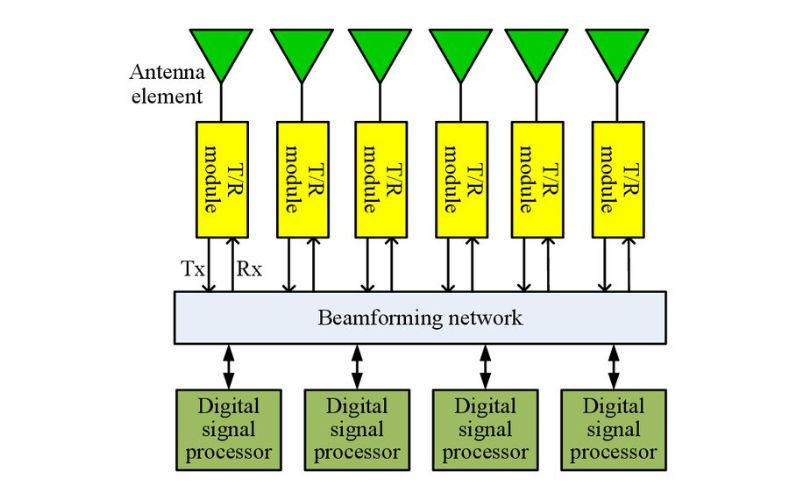 |
| What are phased array antennas, and how do they work? |
| Phased array antennas are advanced antenna systems that utilize the principle of constructive and destructive interference to steer a beam of radio waves electronically. This phenomenon happens without any physical movement of the antenna itself. This FAQ will cover the basics of phased array antennas, their working, hardware challenges, and a case study. |
| Read the article » |
|
|
| |
|
|
|
|
|
|
|
| |
| |
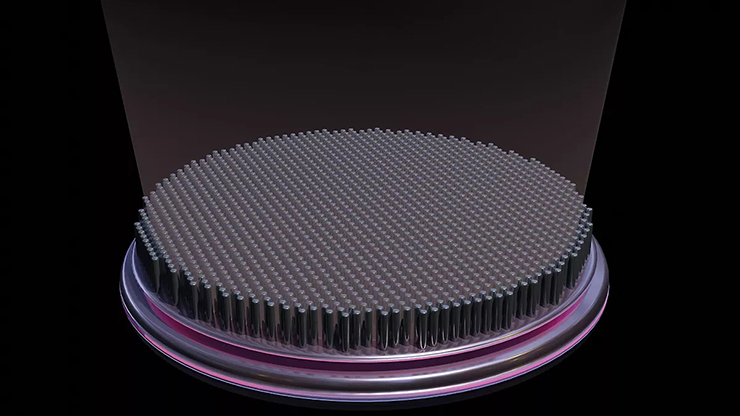 |
| What is a metalens and what’s it good for? |
| A metalens is a cutting-edge optical lens that’s flat and lightweight, replacing traditional bulky curved lenses with a specially designed surface featuring nanoscale structure. Metalens can be used to improve optical system performance and dramatically reduce system size and weight. A metalens is a single thin, flat structure. |
| Read the article » |
 |
| 6G needs less, 6G needs more |
| From radios to core networks, a consensus is forming that 6G needs to offer more focused technology than 5G, or is it more technology? Energy, spectrum, and AI top the list of what 6G needs. EE World spoke with four engineers who attended the March 3GPP meeting in Korea. Here’s what they had to say. |
| Read the article » |
|
|
| |
|
|
|
|
|
|
|
|
| |
| |
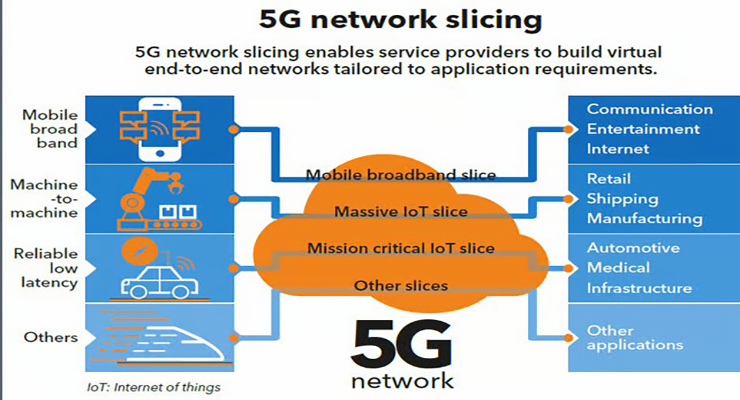 |
How 5G network slicing works:
part 1 |
| Network slicing, which makes private networks possible, provides enterprises with dedicated network resources. It works by interacting with a set of network functions. The 3GPP defines network slicing as a core 5G feature. It partitions a single physical network into multiple virtual network slices. Each slice operates as an independent end-to-end network optimized for specific applications and services. |
| Read the article » |
 |
| What is beamforming? |
| Beamforming uses phased array antennae systems to focus the wireless signal toward a specific receiver or target instead of an omnidirectional broadcast. Combined with massive multiple input / multiple output (MIMO) antenna technology, beamforming is a key enabler of faster data rates and higher device densities supported by 5G networks compared with 4G technology. |
| Read the article » |
|
|
| |
|
|
|
|
|
|
|
|